FAQ: Overhydration: Am I at risk?
Overhydration is the layman’s term for the medical term “hyponatraemia”.
“Hypo” = small or low
“Natraemia” = salt
Hyponatraemia means that the sodium concentration in your body has become diluted.
When this happens, your body’s water levels rise, and your cells begin to swell.
This swelling can cause many health problems, from mild to life-threatening.
Symptoms can be mild or severe:
Mild symptoms include a decreased ability to think, swelling (e.g. hands/fingers), headaches, nausea and poor balance.
Severe symptoms include confusion, seizure and coma, even death!
Causes of hyponatraemia:
There are many reasons why your sodium levels might get too low. These include:
- A diet that is low in (or contains no) sodium.
- Medications . Water pills (diuretics), some antidepressants and pain medications can make you urinate or sweat more. This can affect your sodium level.
- Underlying medical conditions: Heart issues, kidney or liver disease can affect the amount of fluids in your body, and therefore your sodium levels.
- Dehydration from chronic diarrhea or vomiting can deplete your body of fluids and sodium.
- Hormonal imbalances. Some hormones affect your sodium levels. For example:
– SIADH (syndrome of inappropriate anti-diuretic hormone) can make you retain water.
– Addison’s disease can affect the hormones that balance your electrolytes.
– If your thyroid hormone is too low, it can also affect your sodium level. - Consistently drinking too much water over the day can dilute the concentration of sodium in your blood.
- Over-consumption of alcohol as well as illegal drugs – amphetamines (eg “Ecstasy”) can cause serious hyponatraemia.
- Long endurance events in heat, where athletes are sweating but drinking water ONLY; OR they are using a sports gel or sports drink that is too low in sodium.
Many of the international brands are a relatively low in sodium (and the other electrolytes) for the demands of high performance in African heat.
Does this mean that I should take salt tablets?
No this is not a good idea, because if you get your dose wrong, you can end up being worse off. In addition, you may feel terribly nauseous, with vomiting, dramatically affecting your performance.
Sodium is absorbed best in the presence of the other electrolytes – and these in the appropriate balance/ratios to each other.
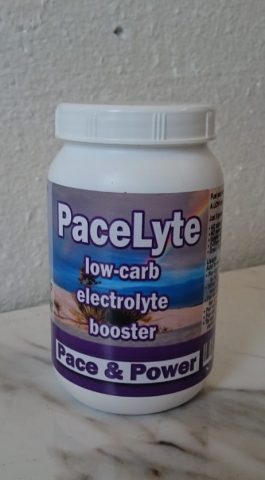
We have done the thinking for you! Use GT Gel, EnduraPower, PaceLyte and Souties! Our formulas have high electrolytes for racing in heat – including sodium, Kalahari Salt and magnesium bis-glycinate.
How much water should I safely drink during an event?
This varies greatly as personal preference, type and intensity of your sport, training history, gender, age, medical history, ambient temperature can all affect hydration rate. Please discuss you hydration strategy with your medical doctor!
If you are using our GT Gel and/or EnduraPower or PaceLyte and/or Souties, all of which are high in sodium and other electrolytes, a rough guide is that you hydrate according to bodyweight:
Bodyweight (kgs) x 8ml-10ml/hr. This however may vary widely, according to personal requirements and personal preference, training history, medical history, age, ambient temperature, wind and humidity, type of sport, intensity and heart-rate, length of event…to name just a FEW of the considerations of your hydration rate. Please discuss you hydration strategy with your medical doctor!
How much water should I be drinking daily (over a 24 hour period)?
We usually recommend bodyweight x 30mls.
For example, if you weigh 70kg, then you should drink ~2100ml water/fluid over a 24-hour period. This includes all your liquids – tea, smoothies etc.
This doesn’t include your training water though!
Add your training water on top of this, which is at a rate of bodyweight x 8-10ml/hour with sufficient electrolytes in your mix – GT Gel and/or EnduraPower or PaceLyte and/or Souties.
For example, if you weigh 70kgs, add 560-700ml of fluid per hour that you train. Again, this may vary widely, taking into consideration, type of sport, ambient temperature, humidity etc.
I also like to include some Kalahari or Himalayan Salt on my food daily.
Tip: If possible, before running a marathon, find out the size of the water sachets, so that you can calculate your hourly rate/range of water consumption, which can be adjusted on the day, according to ambient temperature.
GT Gel, EnduraPower, PaceLyte and Souties!
Our formulas have high electrolytes for racing in heat – including sodium, Kalahari Salt and magnesium bis-glycinate.
From Africa, with love 😉